
Understanding Retinoblastoma: What Parents Should Know About This Rare Eye Cancer
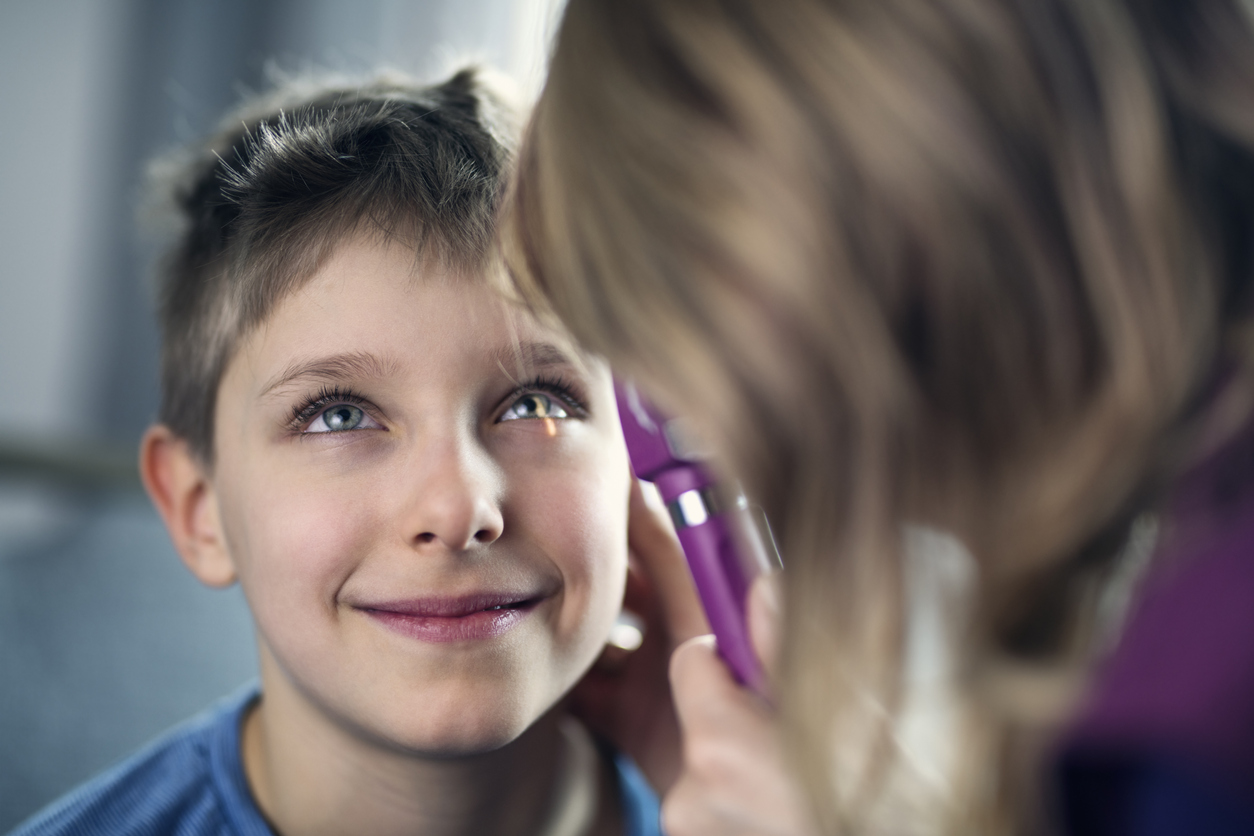
A diagnosis of retinoblastoma can be daunting, as any cancer diagnosis is, especially for a child. However, with early detection and appropriate treatment, the chances of a successful outcome are high. It’s important to recognize the symptoms of retinoblastoma and to seek medical attention if your child exhibits any of them. By staying informed and aware, you can take proactive steps in ensuring your child's eye health and overall well-being.
What Is Retinoblastoma?
Retinoblastoma is a rare eye cancer that develops in the retina, the light-sensitive tissue at the back of the eye responsible for central vision. This condition primarily affects young children under age 5, although it can also occur in older individuals.
Retinoblastoma can be categorized based on genetics (hereditary vs. sporadic), laterality (unilateral, bilateral, or trilateral), and location (intraocular vs. extraocular). Hereditary forms are associated with an inherited mutation in the RB1 gene, which typically affects both eyes (bilateral), while sporadic forms occur by chance and usually affect only one eye (unilateral). Trilateral retinoblastoma is a specific, severe form involving both eyes plus a related brain tumor, typically in the pineal gland, and linked to inherited genetic mutations.
Intraocular refers to cancer that is confined to the eye, while extraocular describes cancer that has spread outside of the eye. Most cases of retinoblastoma are intraocular, making them highly treatable.
Common Early Symptoms
It's challenging for young children to effectively communicate specific symptoms they may be experiencing, making it essential for parents and caregivers to recognize and monitor the signs of retinoblastoma in their children. Common symptoms include:
- Leukocoria: A white or yellowish glow in the pupil when light shines in, especially noticeable in photos with flash
- Strabismus: Eyes that don't look in the same direction
- Nystagmus: Involuntary, rapid eye movements
- Redness, pain, or swelling: Inflammation or irritation around the eye
- Poor vision: Difficulty focusing or loss of vision in one eye
- Different-colored irises: One iris may be a different color from the other
- Enlarged or bulging eye: The eyeball itself may appear larger or protrude
- Hyphema: Bleeding in the front part of the eye
Many conditions can cause these symptoms, but because retinoblastoma is a serious childhood cancer, it's crucial to seek care immediately if you notice any of these signs in your child.
Treating Retinoblastoma
Retinoblastoma treatment aims to cure the cancer and preserve vision by using a combination of methods, including:
- Chemotherapy: Powerful drugs, such as carboplatin, vincristine, and etoposide, are administered either through intravenous infusion or directly into the eye's artery to target and kill cancer cells.
- Laser therapy: This treatment involves using intense light to heat and destroy the tumor's blood supply, making it particularly effective for small tumors.
- Cryotherapy: This method uses a cold instrument to freeze the tumor, effectively killing cancer cells. It is typically used for small tumors, often following other treatments.
- Radiation therapy: This can be delivered in two ways: plaque radiation, which involves temporarily placing a small device emitting radiation on the back of the eye, or external beam radiation, where a machine delivers high-energy rays from outside the body.
- Surgery: In cases where vision cannot be preserved, part of the tumor may be surgically removed, or, if necessary, the entire eye may be removed.
Most cases of retinoblastoma can be treated and cured, with 5-year survival rates exceeding 95%.
Finding the Right Care and Support
Finding the right care for retinoblastoma requires partnering with an expert pediatric retinal team for comprehensive medical treatment and long-term follow-up. It’s also essential to establish a strong support system consisting of family, friends, and possibly joining support groups.
If your child is experiencing any vision-related issues, it's important to consult an experienced retina specialist for a comprehensive eye exam. At Palmetto Retina Center, we can effectively diagnose and treat retinal disease in children throughout South Carolina, including Columbia, Orangeburg, Sumter, Florence, and Aiken. Contact us today to schedule an appointment.