
Sleep, Oxygen Levels, and Retinal Health: Is There a Connection?
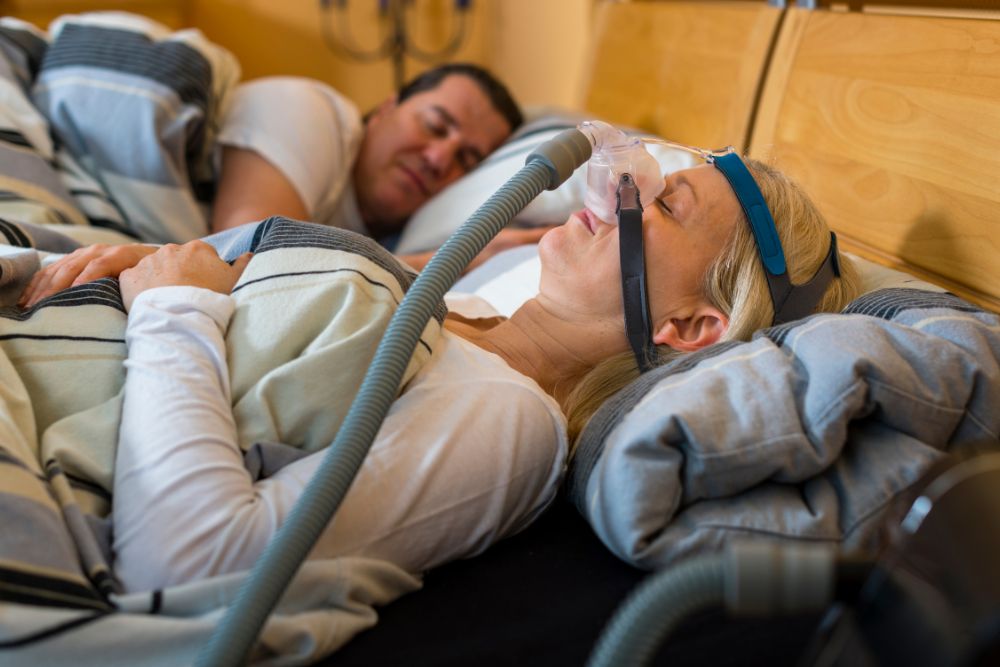
When most people think of sleep apnea, they associate it with heart or lung problems — something they would typically discuss with a cardiologist or pulmonologist. But sleep apnea can also affect your eyes. Fluctuating oxygen levels during sleep can impact the blood vessels that support your retina, potentially affecting how well it functions. Here’s what to know about the connection between sleep apnea and retinal health.
The Retina Runs on Oxygen
Like many other parts of our bodies, the retina requires oxygen to function properly. This thin layer of tissue converts light into electrical signals, which are sent to the brain's visual cortex for processing into visual images. This demanding job requires a continuous, stable supply of oxygen to support the photoreceptor cells responsible for our central and detailed vision.
Sleep apnea disrupts this supply. During apneic episodes, you stop and start breathing many times throughout the night, causing oxygen levels to fluctuate and, in turn, affecting eye pressure and inflammation. For someone with moderate to severe sleep apnea, this isn’t an occasional event; it’s a nightly cycle that places ongoing stress on small blood vessels throughout the body that feed the retina.
Where Retinal Disease Enters the Picture
For patients already managing diabetes, the stakes may be higher. Diabetic retinopathy develops when the small blood vessels in the retina become damaged, leading to leakage, swelling, or abnormal vessel growth. Because sleep apnea can contribute to intermittent drops in oxygen levels and vascular stress, it may play a role in worsening these changes. Some studies suggest that patients with both diabetes and untreated sleep apnea may experience more severe or faster progression of diabetic retinopathy compared to those with diabetes alone.
Retinal vascular occlusions — blockages in the veins or arteries that supply the retina — are another potential concern. These conditions share common risk factors with sleep apnea, including high blood pressure and underlying vascular disease. https://pmc.ncbi.nlm.nih.gov/articles/PMC6796080/ Some research has found a higher prevalence of sleep apnea among patients with retinal vein occlusions, though the exact relationship is still being studied. In some cases, people may notice sudden vision changes, such as blurriness or dark areas in their field of vision, which should always be evaluated promptly.
What Patients Often Don’t Think to Mention
Many patients don’t automatically connect sleep issues with retinal health or vision changes — and as a result, may not think to mention them during an eye exam. But context matters in retinal care. Knowing that a patient with early diabetic retinopathy also has poorly controlled sleep apnea can influence how that condition is monitored and treated. Similarly, a patient with an unexplained vascular occlusion who hasn’t been evaluated for sleep apnea may be missing an important piece of their overall health picture.
If you’ve been diagnosed with sleep apnea, or suspect you might, mention it at your next appointment — it matters more than you might think.
Better Sleep, Better Outcomes: The Case for Connected Care
Treating sleep apnea — whether through CPAP therapy or other interventions — helps stabilize nighttime oxygen levels and reduce vascular stress. For patients living with retinal disease, this isn’t just general health advice; it’s a meaningful way to help protect your vision. Eyes don’t exist in isolation from the rest of the body, and neither should your care.
At Palmetto Retina Center, we believe the most effective retinal care starts with understanding the full picture of your health, not just what’s visible on imaging. Communication between your retinal specialist, primary care physician, and other providers can play an important role in protecting your long-term vision.
If you have sleep apnea or think you might, be sure to share that information with your eye doctor. And if you’re noticing any changes in your vision, don’t wait to seek care. Contact Palmetto Retina Center to schedule an evaluation and get a clearer picture of your retinal health.