
Understanding Inherited Retinal Diseases
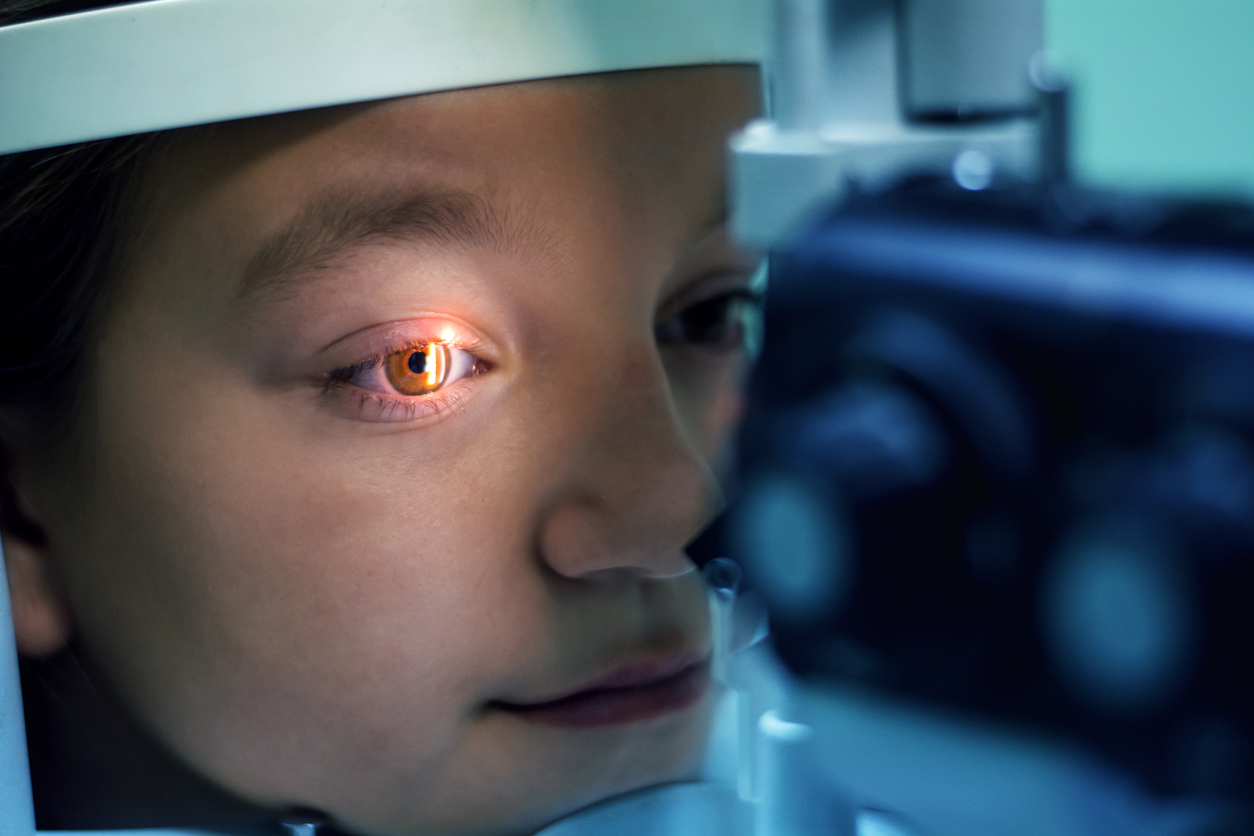
Your retina is a thin layer of tissue at the back of your eye that is home to photoreceptors — the cells responsible for converting light into the signals your brain interprets and converts into the images you see. Like every part of the body, the retina's structure and function are shaped by hundreds of genes. When one of those genes contains a mutation, the retina may not work as it should.
This is known as inherited retinal disease (IRD), a group of rare genetic conditions that affect the retina and can threaten vision. Researchers have identified over 300 genes that can carry mutations leading to an IRD, meaning IRDs can vary widely, even among patients with the same diagnosis. Because each case is so specific, specialists rely on advanced imaging and genetic testing to reach an accurate diagnosis and determine appropriate treatment options.
How Inherited Retinal Diseases Affect Vision
Many IRDs affect the retina’s photoreceptors, which are known as rod and cone cells. Rods help us see in low light and detect peripheral vision, while cones support central vision and color perception. Some IRDs primarily affect the rods, whereas others mainly affect the cones, or both.
Some conditions, like retinitis pigmentosa, cause the rods to deteriorate first. Patients may experience trouble seeing in the dark and notice a limit in their field of vision. As the disease progresses, the cones may begin to deteriorate as well.
Other IRDs, such as Stargardt disease, primarily affect the cones concentrated in the macula— the central region of the retina responsible for sharp, detailed sight. Patients typically notice blurry central vision and difficulty making out fine details. While peripheral vision often remains intact, the disease can eventually damage the surrounding rods and retinal pigment epithelium (RPE), a supportive layer beneath the retina.
IRDs are often progressive, meaning vision may worsen over time. Symptoms typically appear in childhood or adolescence, though in some cases they may not arise until later in life. The severity and rate of progression vary from patient to patient, as each case is largely influenced by the specific mutations involved.
Diagnosing Inherited Retinal Disease
Diagnosing an inherited retinal disease requires a detailed evaluation of both the retina’s structure and a patient's underlying genetics.
Specialists typically use a combination of advanced imaging—including retinal photography, optical coherence tomography (OCT), and fundus autofluorescence—to examine the retina and identify areas of damage or degeneration.
Once these structural changes are better understood, genetic testing can help confirm the diagnosis and provide insight into how the condition may progress. It can also help guide treatment decisions and determine whether a patient may be eligible for emerging therapies or clinical trials.
Advances in Research and Treatment
While there are currently no cures for most IRDs, research is moving quickly. Gene therapy is one of the most promising areas of development. This approach works by delivering a corrected version of a faulty gene directly to the retina to prevent further degeneration, and in some cases, restore vision.
Beyond gene therapy, researchers are also exploring neuroprotective agents designed to prevent cell death in the retina, as well as retinal prosthetics, which use a microchip to convert visual information into signals sent to the brain.
If you or someone you love is experiencing changes in vision, getting the right expertise early can make a meaningful difference. At Palmetto Retina Center, central South Carolina's only specialized retina practice, our team of retina specialists has the experience and tools to evaluate, diagnose, and manage inherited retinal diseases. With six locations across the region, expert care is closer than you might think. Schedule an appointment today to learn more.